

Keeping up with Uncle Andy
bruised and with his reputation in tatters, Andrew's fall from grace continues

In 1809, Frederick, Duke of York and Albany (second son of George III and Commander-in-Chief of the British Army), found himself at the center of a parliamentary inquiry when it emerged that his former mistress, Mary Anne Clarke, had been selling army commissions and promotions by trading on her access to him. Frederick was narrowly cleared of personal corruption and resigned his command… only to be quietly reinstated two years later.
The monarchy has weathered disgraced princes before. History is littered with royal sons whose scandals embarrassed the Crown, tested public patience, and were ultimately absorbed into the institution’s remarkable capacity for survival. But those stories generally followed a familiar arc: scandal, retreat, rehabilitation1. The public moved on, and eventually the palace did too.
The former Prince Andrew’s story has never quite cooperated with that script.
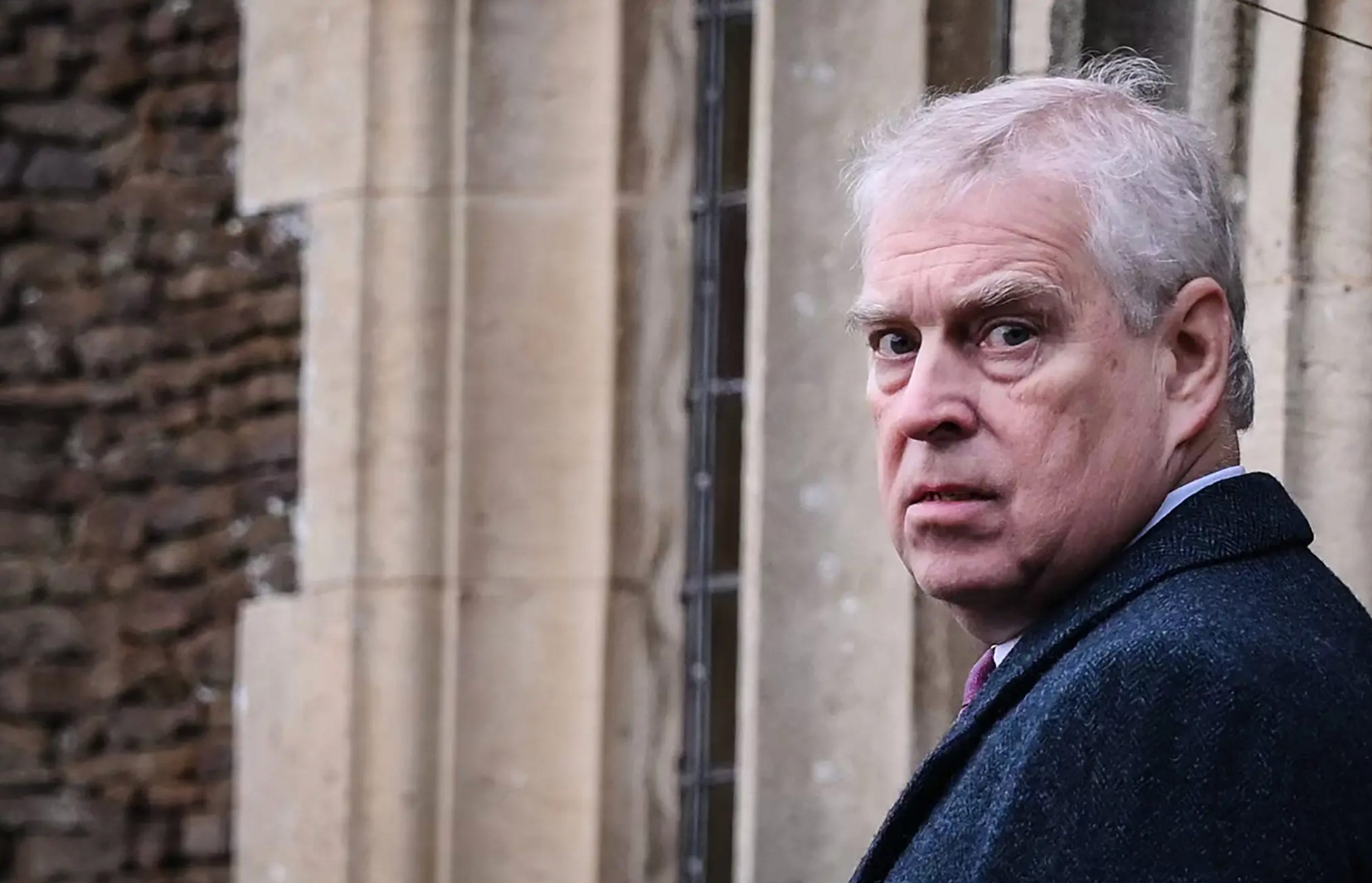
Covering Andrew Mountbatten-Windsor and his fall from grace has started to feel less like reporting on a royal and more like keeping a ledger. Every time the column seems to have been balanced, another entry arises. Whether it’s a new allegation, a buried email, or a bruise on the front page… one had better leave room for another entry in the record.
This past week has handed us several updates almost all at once. Taken together, the claims about Andrew once again point to something larger than one disgraced man. We are once again confronted with evidence suggesting that the royal household, even the principal royals expected by the virtue of their birth to know better, knew more than they admitted and waited longer than they should have.
So let’s bring the ledger up to date.
The road so far
In case you need a recap, Andrew stepped back from public-facing royal duties in November 2019, days after the Newsnight interview about his friendship with Jeffrey Epstein collapsed under the weight of its own blustering.
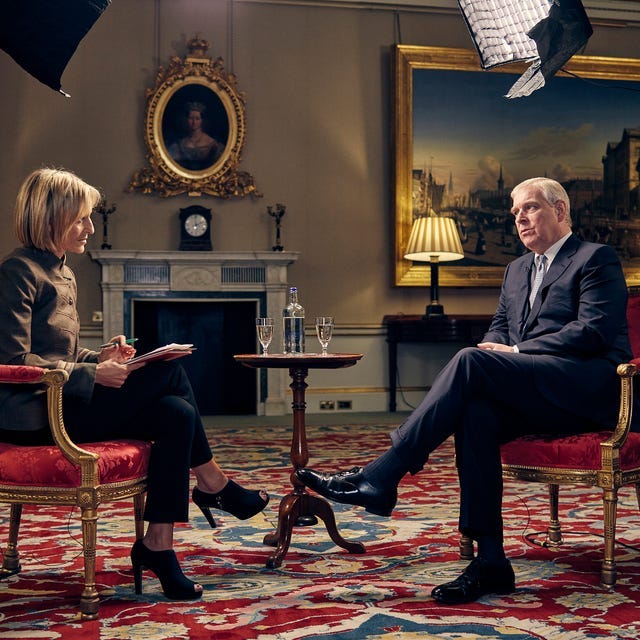
In January 2022, he was stripped of his military affiliations and royal patronages as he fought (unsuccessfully) to have Virginia Giuffre’s civil sexual-assault claim against him thrown out. He settled with her out of court weeks later for an undisclosed sum and with no admission of liability.
Giuffre died by suicide in April 2025. Her memoir, published posthumously later that year, described three sexual encounters with Andrew—the first when she was seventeen. By the autumn of 2025, he had lost his remaining royal titles and honours, and in February 2026, the King required him to leave Royal Lodge. The 30-room Windsor mansion had been his home for two decades.
Later that same month, on his 66th birthday, Andrew was arrested, held in police custody for 11 hours, and released as part of an ongoing investigation into misconduct in public office—tied to both his Epstein connections and his former role as Britain’s special representative for international trade.
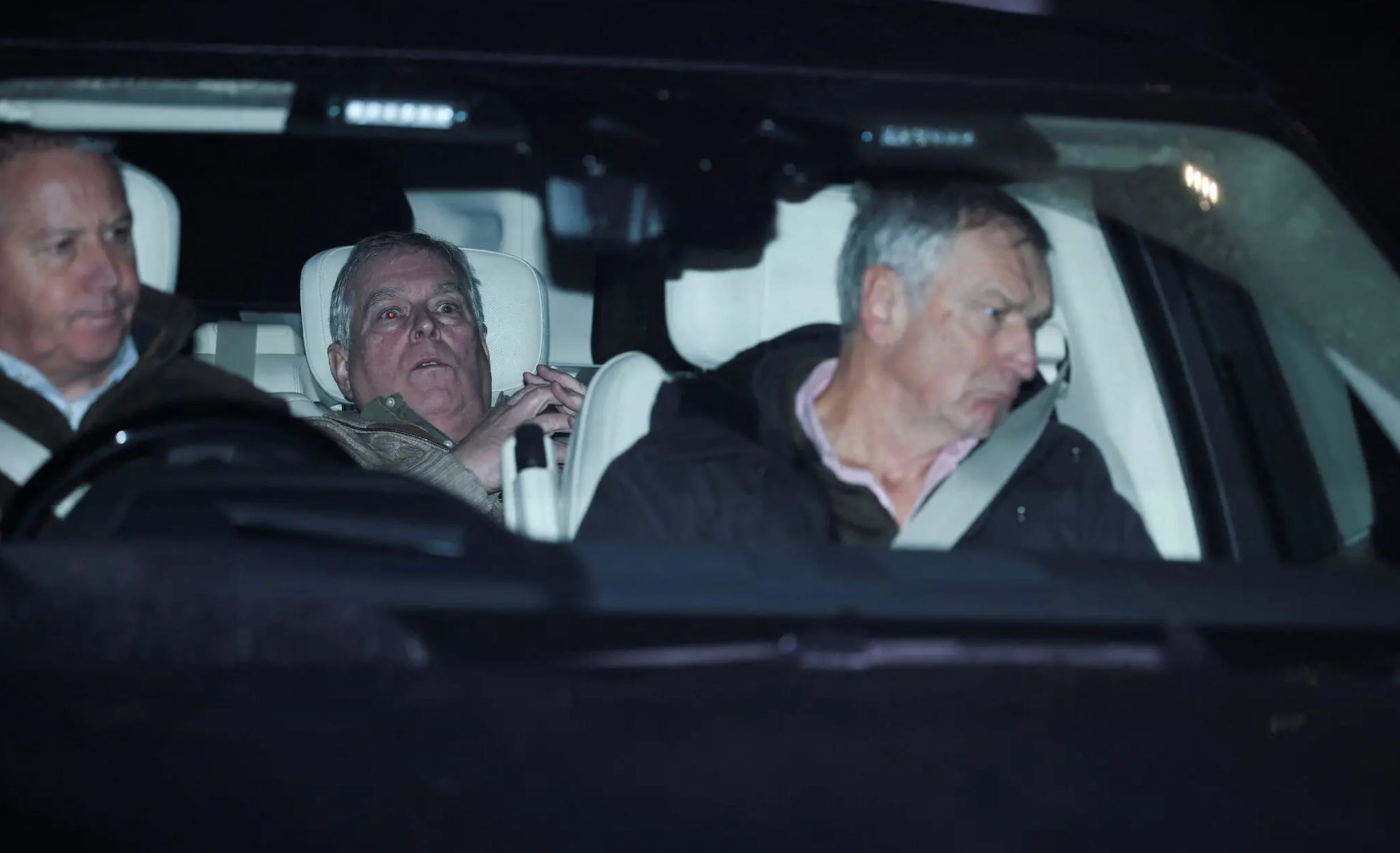
He held that post from 2001 to 2011, ultimately resigning amid concerns over his dealings with questionable figures in Libya and Azerbaijan. He, again, denies any wrongdoing related to his time as trade envoy and has not been actually charged with any misconduct.
That was the picture as recently as a few weeks ago. It has since widened considerably.
A wider net
Last week, the Sunday Times reported that Thames Valley Police (TVP) are now examining a claim that Andrew behaved inappropriately toward a woman working as a waitress at Royal Ascot in 2002. (The month before, officers also indicated they were assessing a separate report that a woman had been taken to an address in Windsor in 2010 for sexual purposes.)
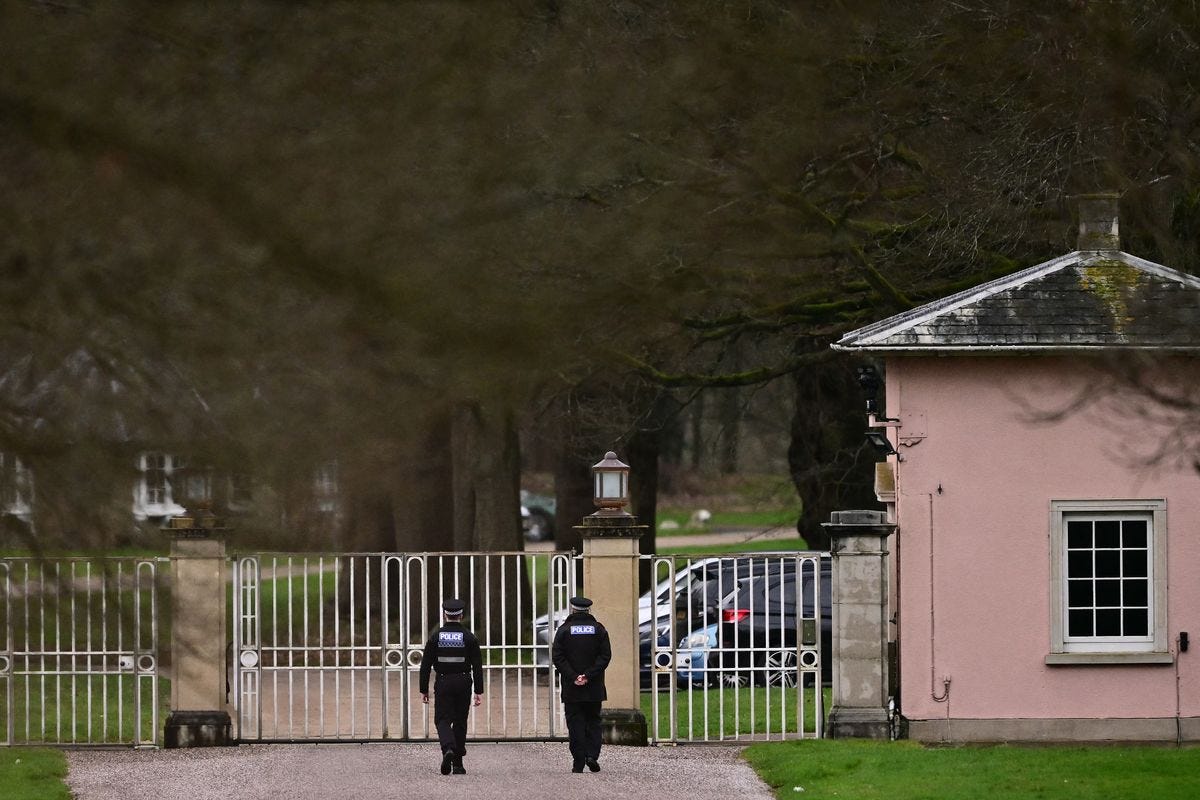
On May 22nd, TVP issued a statement confirming the new scope of the investigation, and indicating that they continue to “examine a number of aspects of alleged misconduct following the release of files under the Epstein Files Transparency Act in the United States.”
Assistant Chief Constable Oliver Wright added: “Misconduct in public office is a crime that can take different forms, making this a complex investigation. Our team of very experienced detectives are working meticulously through a significant amount of information that has come in from the public and other sources. We are committed to conducting a thorough investigation into all reasonable lines of enquiry, wherever they may lead. We encourage anyone with information to get in touch with us.”
Because the claim about Royal Ascot falls within the timeframe of Andrew’s tenure as trade envoy—an official state role—the questions he faces as a result of his alleged misconduct are no longer confined to his private life. The TVP investigation into misconduct in public office could, we can surmise, also encompass any of Andrew’s alleged criminal actions from the period in which he exercised the Crown’s authority.
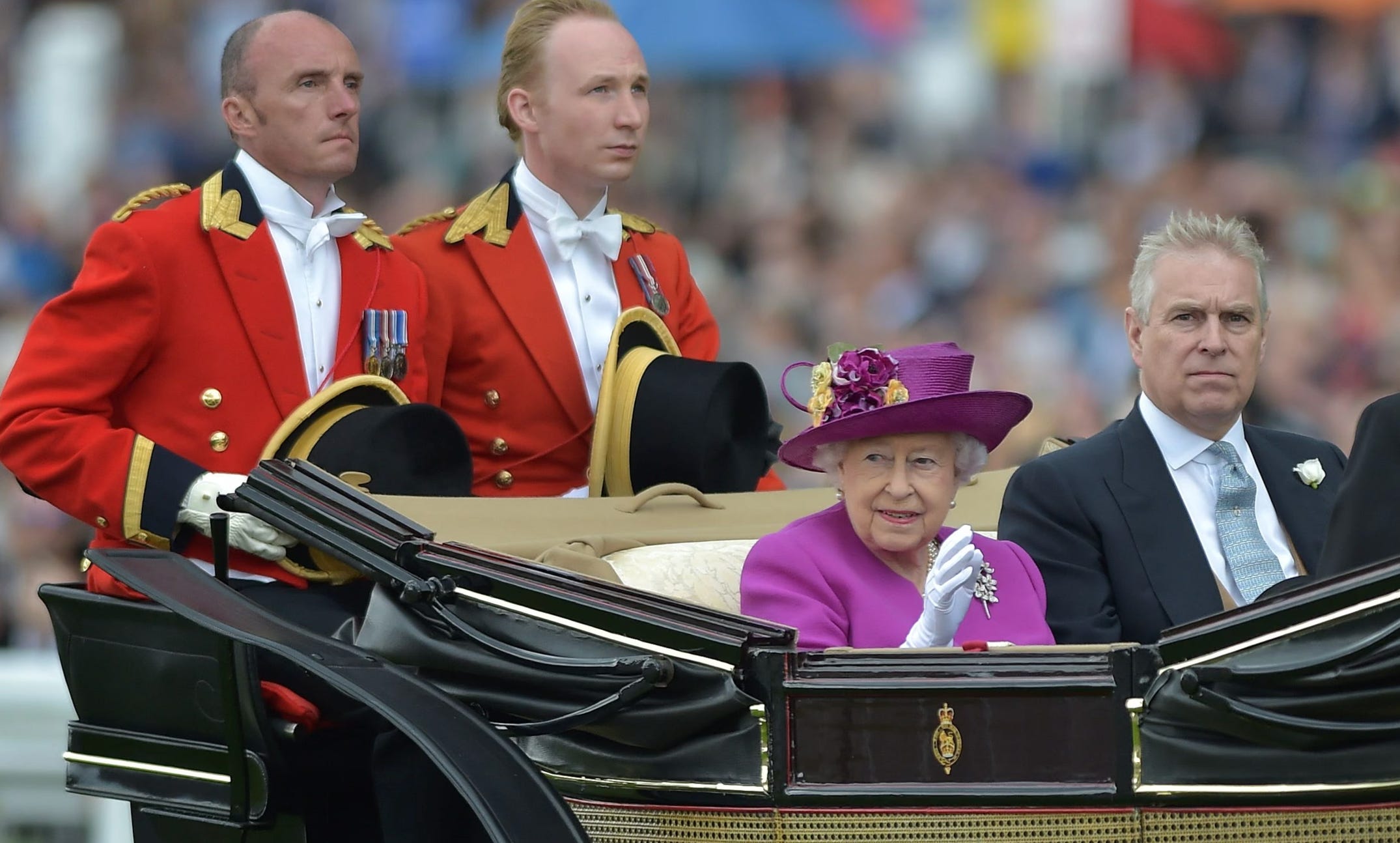
Increasingly, the public is also asking what, if anything, the Crown did about it.
The Queen’s hand
Perhaps the most consequential disclosure of the week was more procedural: a fresh search of court records shows that an archive of roughly 30,000 emails—drawn from a personal business contact of Andrew’s and detailing his contested financial dealings—was handed to the Lord Chamberlain in May 2020. That is the most senior officer of the Royal Household, receiving a tip-off six years before the current inquiries opened.
